Media Memes
A collection ... just because I can!


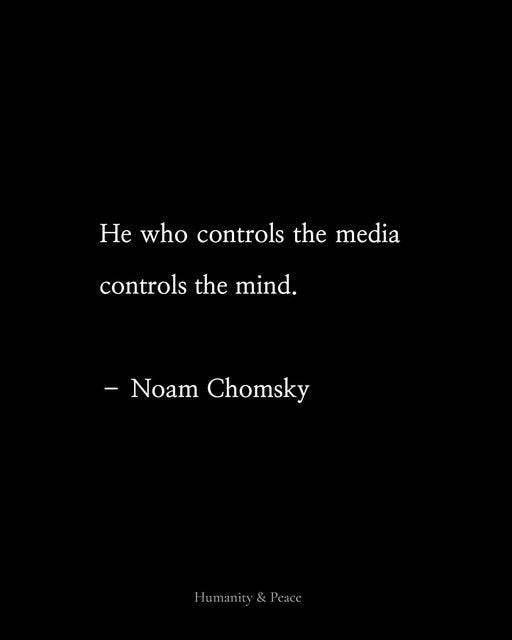
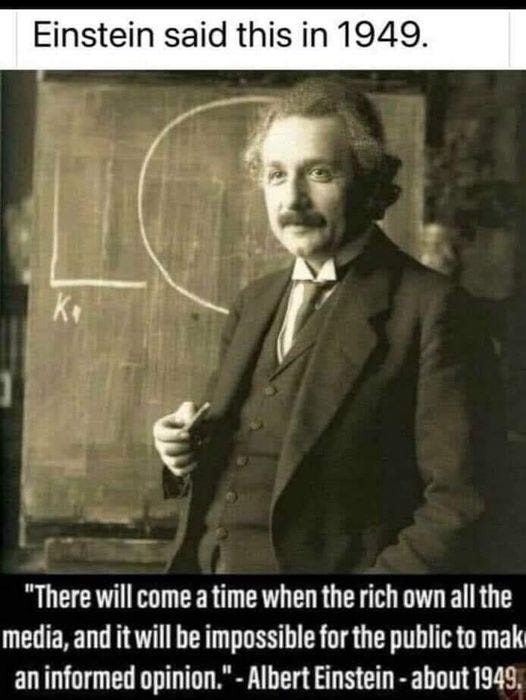
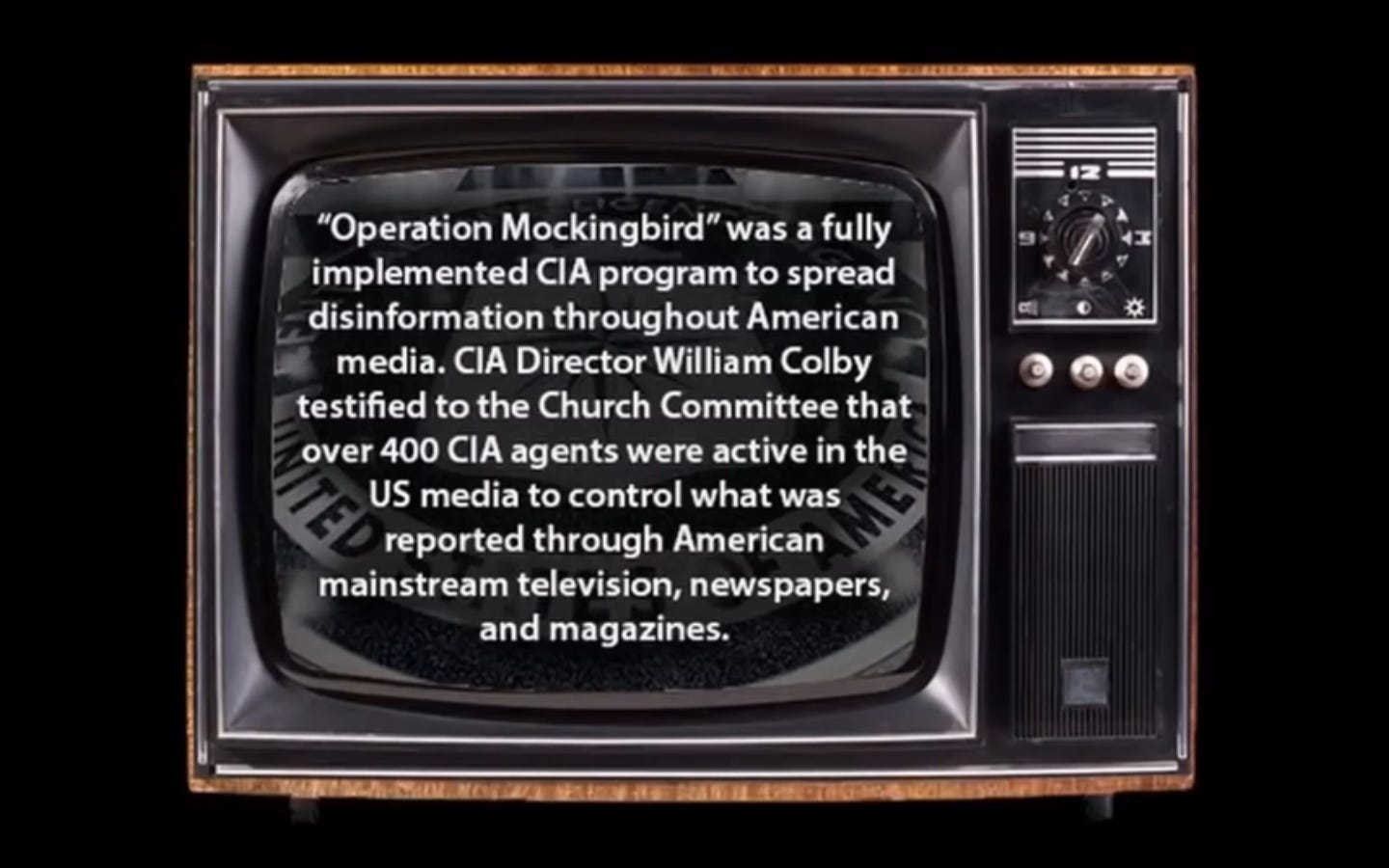
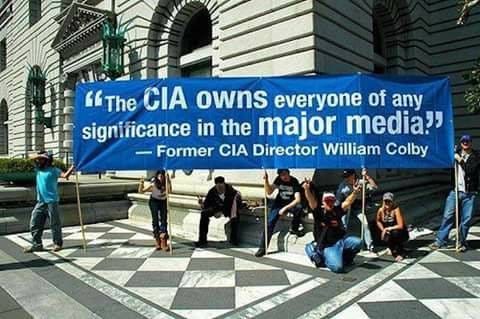
I referred in my last posting to Operation Mockingbird, which readers might or might not know/have heard about. Then it occurred to me that, since I have a decent-sized collection of memes with important messages about media, it wouldn’t hurt to do a posting with a collection of them.
Here goes!


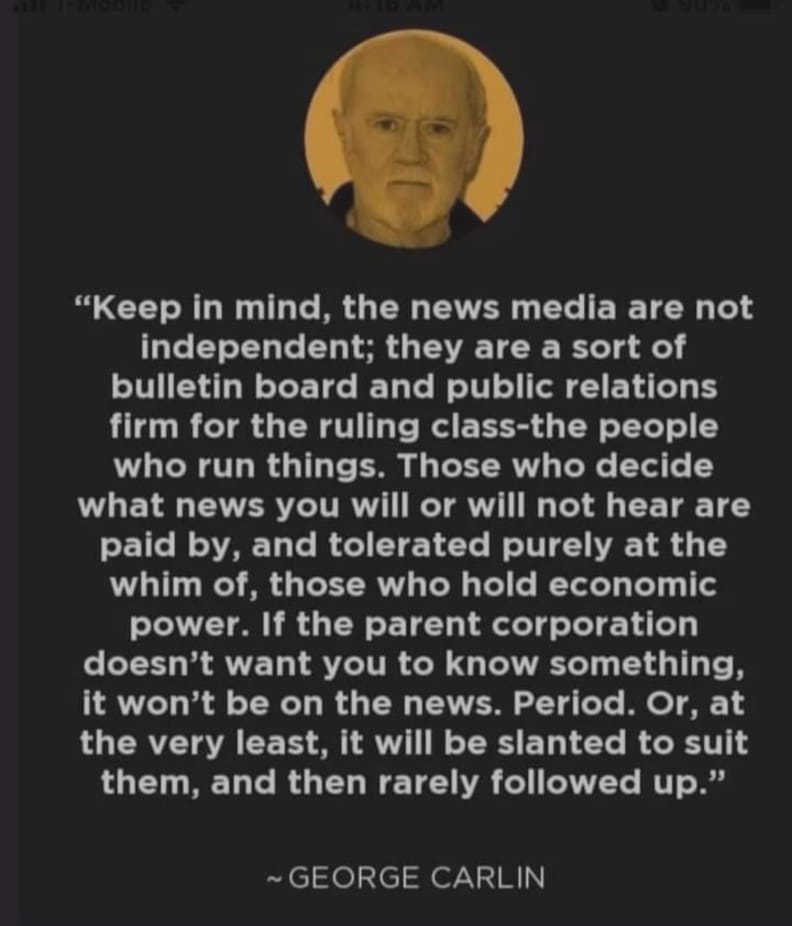
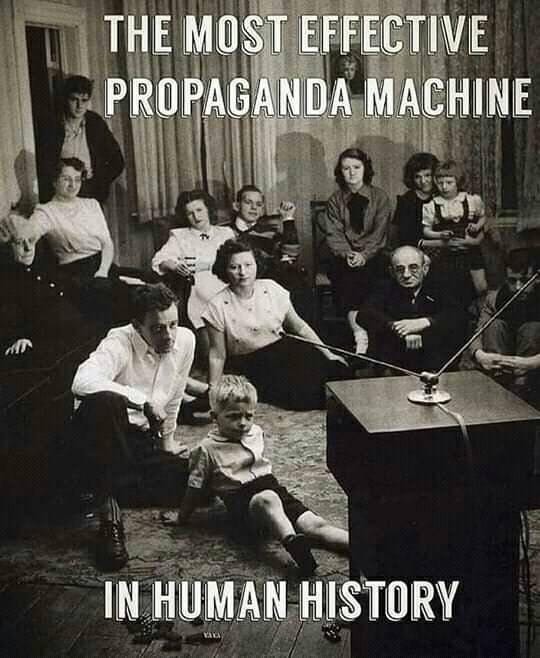
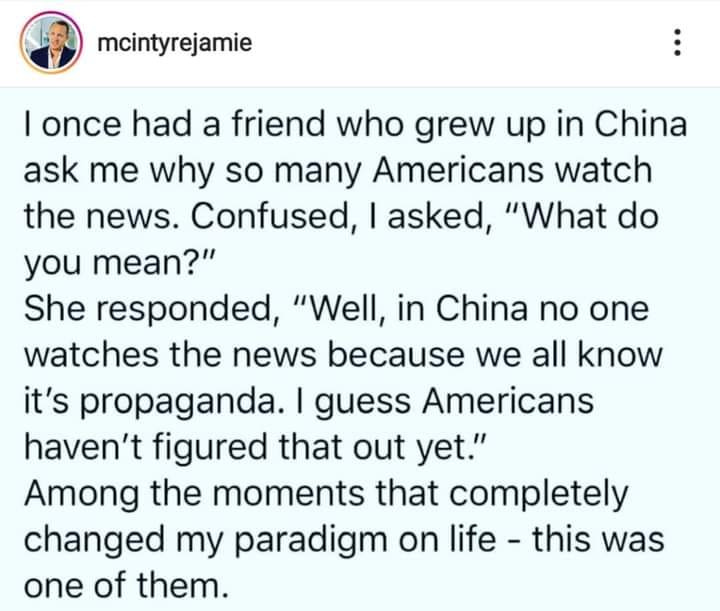

"I think the media is, in general terms, one of the most destructive forces that has ever existed." - Julian Assange (do click on his name; it links to a Twitter posting with a short video of his important insights)

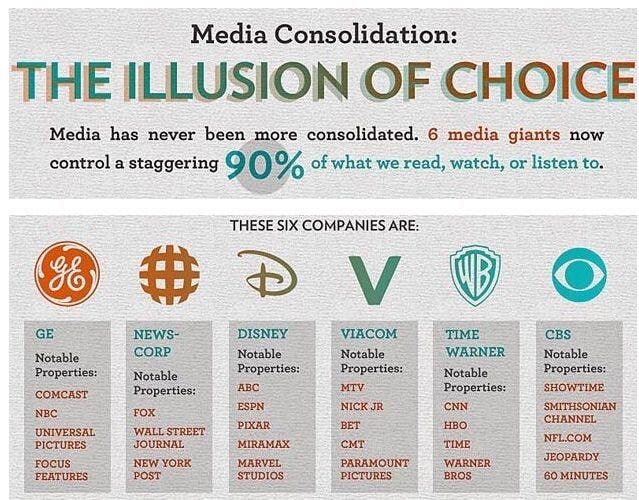
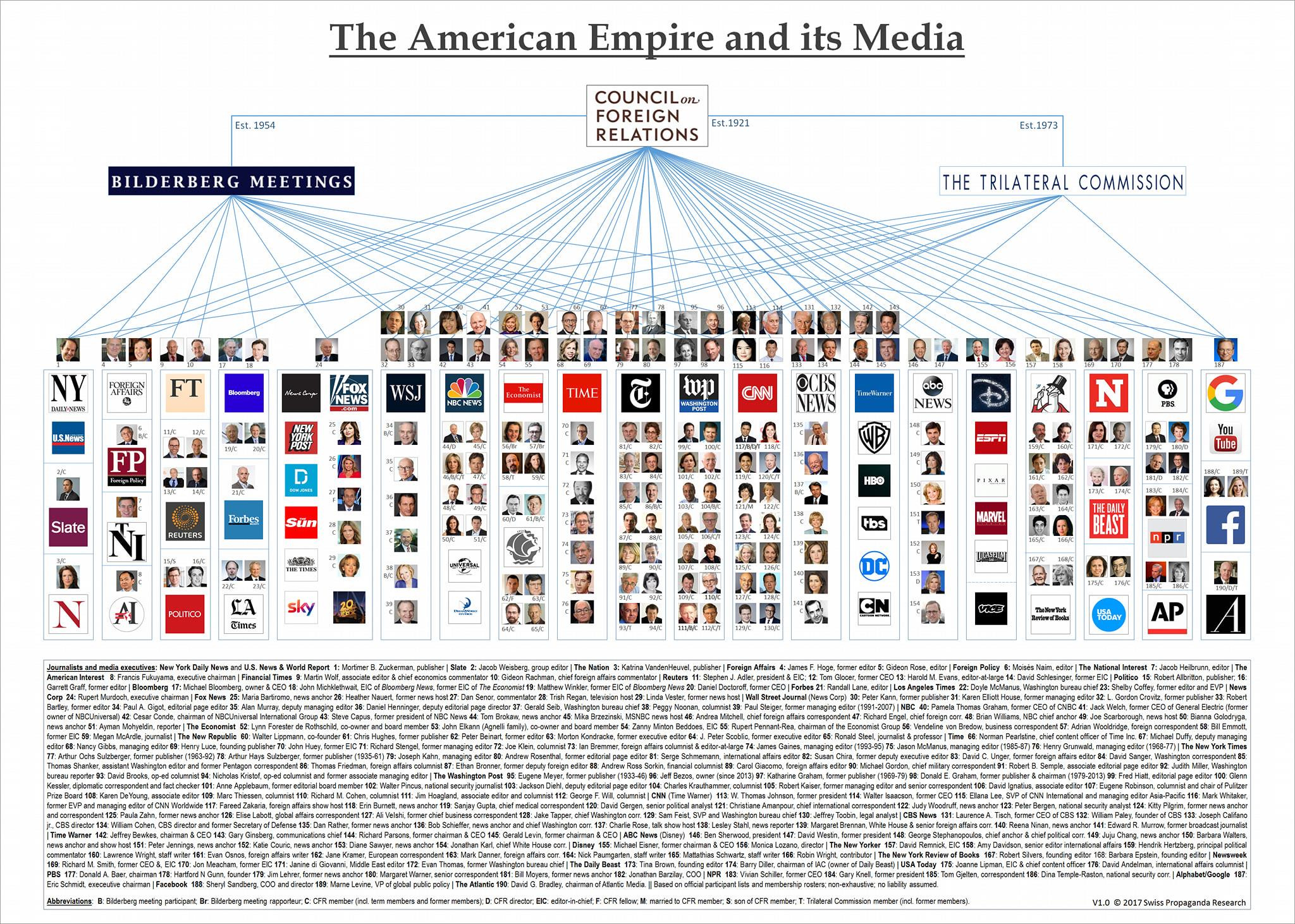
Find a very interesting article about the above here, from 2017.
I saw your post about the Chinese and American TV propaganda.. and one night I was watching Dan Bongino when he was on TV.. (I rarely watch) and the very last guest he had on said, what I already knew.. and must have been a 15 second clip: and I don't remember his name. older gent;
AMERICA IS THE MOST PROPAGANDIZED NATION IN THE WORLD. Read some of your other musings; I keep up w. Julian Assange watched the movie about his "take down." First thing I said to myself.. "wow,.. fill in that blank" .take care. Great truths.. even the use of the word MEME to describe the truths of what those messages contain is part of Newspeak. Oh yeah, I have been around this planet a while and READ all the books.. and passed the information to my family.. so there are still people not brainwashed. :) take care. Isabell
Hello Janet. The United States of America did not start with a "free" media in terms of being unbiased. This nation's most early newspapers were biased, and the people who read them were biased in that direction, either from reading the built-in bias or from supporting that side of politics.
The difference was that the newspapers weren't expected to pretend that they were unbiased, which certainly became the case by at least after WWII in the USA, and the lack of bias goal was what was taught at journalism schools in the USA.
In the 1700s and 1800s, newspapers and one-sheet circulation sheets used the largest print headlines to support their political candidates unabashedly. Everybody knew that each paper took a side, and nobody was supposed to suppress their political opinions/feelings to "appear" unbiased and not taking sides. The papers in the 1700s and 1800s in the USA were very biased, very opinionated. At that time, the common belief was that people had leanings and tendencies, and it was unnatural to try to hide their preferences, and play neutral, when that was not the truth. Nobody would dare say to any author even an author representing the town's paper that s/he shouldn't be expressing their opinions in the paper intended for the masses. That would be violating their rights to freedom of speech.
If anybody didn't agree with what that author had written, anybody was free to criticize the content of what that person had written. It was a debate of ideas and concepts, and who was able to best support the ideas and concepts and preferences they had identified and promoted.
That was what free speech originally was all about in the USA.
At some point, journalism schools developed to create the stamp of professionalism, of white collar professionalism on the media going out to the masses. Professional media was supposed to answer the questions: 1) What involved? 2) Who involved? 3) Where? 4) why? What caused this? 5) when? 6) What advantages and disadvantages does this cause to what groups of people? 7) How are the audience of readers specifically impacted by this development/event? 8) When might more developments in this story be expected?
Freedom of speech was never about suppression, never about pretending that some fictitious middle-ground actually existed.
Freedom of speech was not about pretending to be in the middle. Freedom of speech meant nobody had to remain silent about one's opinions, biases, preferences, and beliefs and that nobody could suppress this.
We need laws that create criminal felonies of acts that violate other people's expression of their freedom of speech, especially by attacking the person in a personal way or the person's personality when the argument expressed is so sound it can't be effectively discredited. We need laws that create criminal felonies of acts that block the expression of any scientific truth that discredits anybody's solid scientific thinking supported by theory, by measurements, by evidence, because that is a major roadblock to free speech and truthful scientific knowledge of what harms or does not harm humans or whatever the object of scientific discovery might be.